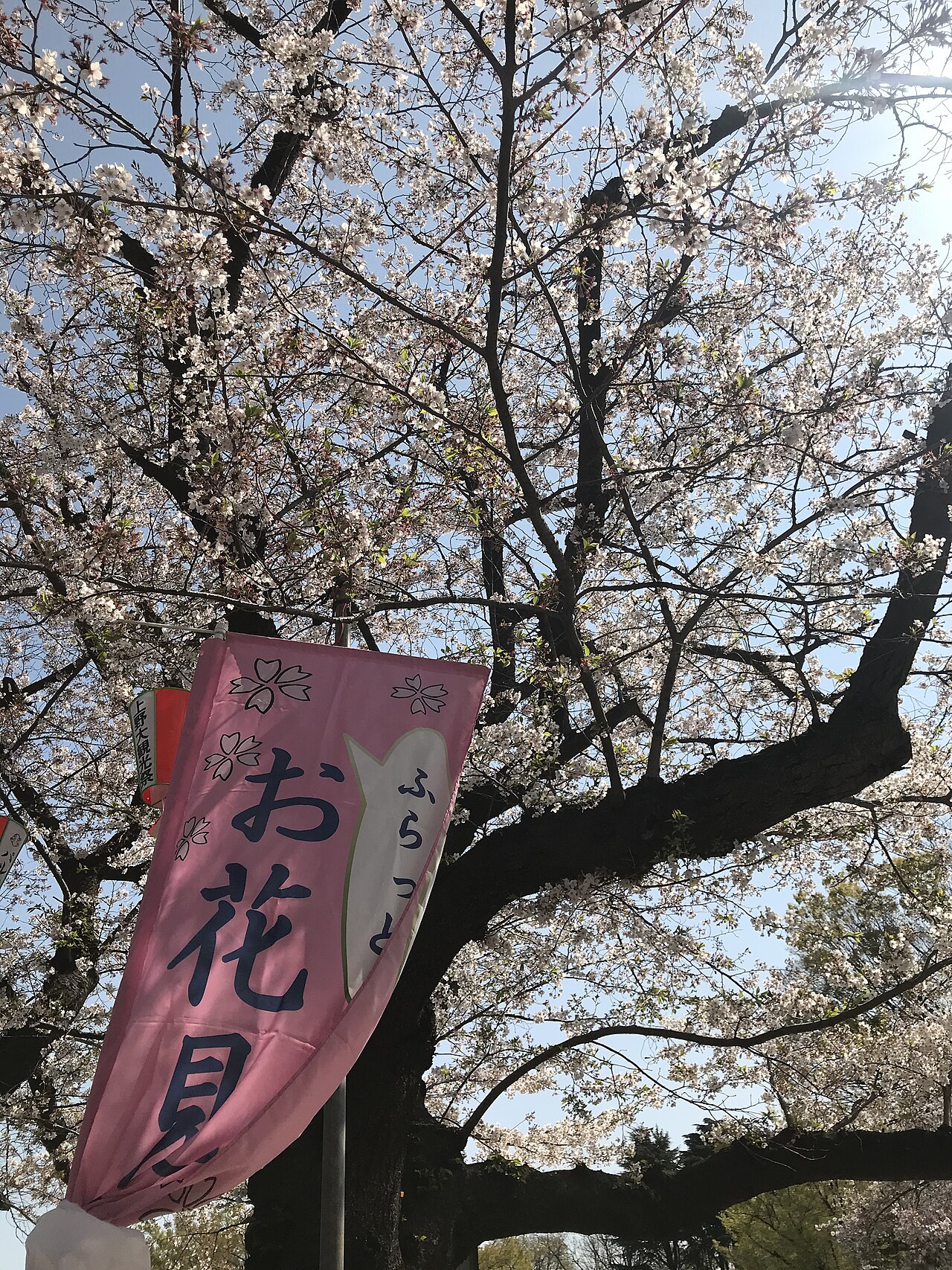
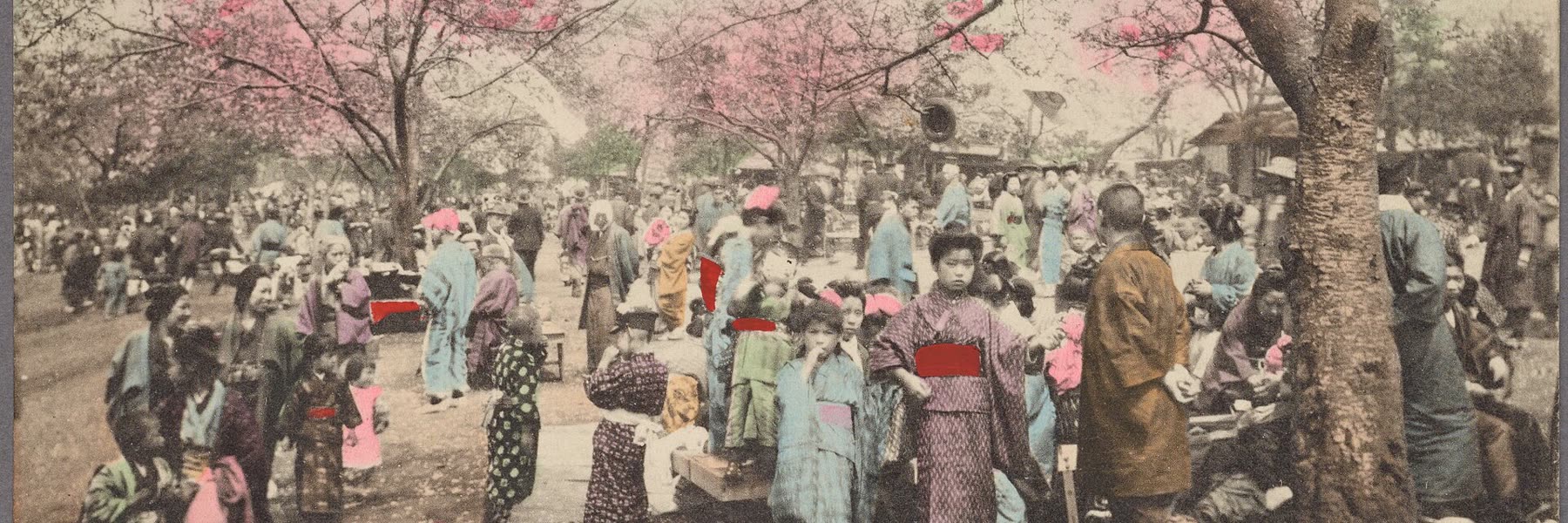
Ueno Sakura Matsuri is the capital's best-known blossom festival, centred on Ueno Onshi Park and Shinobazu Pond. Its 2026 edition ran 14 March–5 April; no 2027 dates are published, and Tokyo's bloom peak is a forecast that firms up only in the final fortnight.
LocationTokyo, Japan
Edition timingLate March–early April bloom window · 2027 festival dates not announced
Timing: Late March–early April bloom window · 2027 festival dates not announced
Venue or host area: Ueno Onshi Park, centred on the fountain plaza, the Hakamagoshi plaza and the Shinobazu Pond area, where the festival stalls and lanterns are set up.
Access: A free public park with no ticket for the blossom viewing or the festival stalls. Museums inside the park and the zoo charge separately. No 2027 reservation or ticket is required.
02 · Plan the visit
Plan around the official access route
Ueno and Keisei Ueno stations are about an eight-minute walk from the park, and Yushima station about six. The festival is free and needs no booking, but the main paths are one-way in practice during peak weekends. The 2026 edition ran 14 March–5 April; no 2027 dates are published, and the bloom peak is forecast only in the final fortnight.
Confirm the edition: use the organiser’s latest date and venue announcement, not only a customary month.
Confirm admission: check whether access is by purchase, ballot, qualification, application or free/public entry; do not assume a ticket includes every venue or session.
Confirm local logistics: check current transport, accessibility, road closures and arrival instructions with the organiser and relevant local authority.
Protect flexibility: compare cancellation terms before booking travel around a date or route that is not fully confirmed.
03 · Location
Getting to Tokyo
Japan's capital is a set of merged city centres rather than one downtown, and the rail network rather than the road is how most people move.
Connections, terminals and transfer arrangements change — confirm them with the airline and the organiser rather than planning around a fixed transfer time.
The venue
Ueno Onshi Park, centred on the fountain plaza, the Hakamagoshi plaza and the Shinobazu Pond area, where the festival stalls and lanterns are set up.
The catalogue marker shows Tokyo, Japan at city or region level only — it is not an entrance, a gate, a course or a transfer route. For the event’s position among its category peers, open the Cherry blossom overview and map.
04 · Overview
What this event is
The spring bloom of somei-yoshino cherry trees across Tokyo, marked by hanami picnics in parks, with Ueno Park's festival the city's best-known organised programme. Around 800 trees line the paths around Shinobazu Pond and the park's central avenue, and the bloom typically lasts a week to ten days in late March or early April before the petals fall.
Hanami is the Japanese custom of viewing blossom while it lasts, and Tokyo is where the modern version is most concentrated: office parties, blue tarpaulins, lantern-lit evening paths and a national obsession with the bloom forecast issued each January. The trees are almost all cloned somei-yoshino, which flower and fall together — the reason the season is so short and so widely celebrated.
History
Blossom viewing has been documented in Japan since the Nara and Heian periods, initially for plum and later for cherry, and the somei-yoshino cultivar that dominates Tokyo was propagated in the late Edo period from a single tree in the Somei district. The trees along the Sumida River and in Ueno are descendants of that planting tradition, and the park's festival has run annually since the postwar period.
Tokyo cherry blossom (Ueno) at a glance
Typical window
Late March to early April
Signature site
Ueno Onshi Park, around Shinobazu Pond
Species
Somei-yoshino, mostly cloned trees
Forecast
Issued by the Japan Meteorological Agency
City
Tokyo
05 · Research & credits
Sources and photo credit
Evidence and event information reviewed 2026-10-31. Published edition facts are separated from typical timing and historical context.
What we could not verify
No 2027 festival dates have been announced; the 2026 edition ran 14 March–5 April.
No 2027 bloom forecast exists — Tokyo's peak is predicted only about a week or two ahead.
Crowd-control measures and evening lantern hours for 2027 were not published.